Physical Due Diligence: Pros and Cons of Visiting a Self-Storage Property
For many real estate investors, physically visiting a property feels like an obvious and essential step in the due diligence process. Walking the site, driving the neighborhood, and seeing operations firsthand can create a sense of confidence that no spreadsheet ever will. In self-storage investing, however, the decision to visit a property is not always as clear-cut as it may seem.
The more useful question is not whether an investor can visit a facility, but whether a physical visit meaningfully reduces risk or improves decision-making for that specific investment.
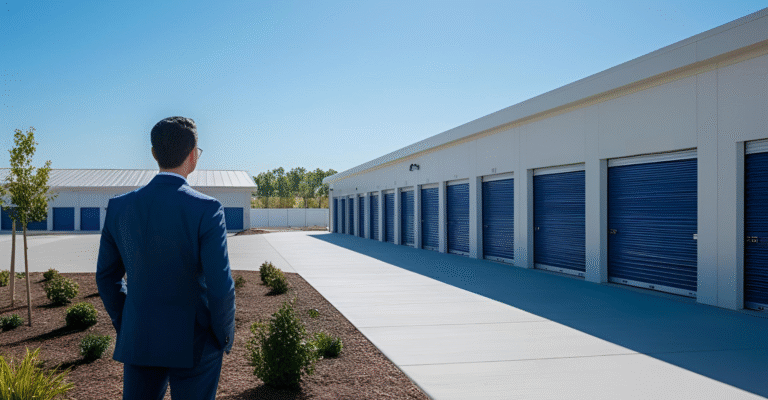
There are situations where a site visit adds real value. Seeing a property in person can provide important context that is difficult to fully capture through photos and reports alone. Traffic patterns, visibility from main roads, ease of access, and the character of the surrounding area often become clearer when you experience them firsthand. For older facilities, conversion projects, or assets undergoing operational changes, walking the property can also help investors better understand construction quality, layout, drainage, and overall condition.
A visit may also offer insight into how a facility is being operated. Observing cleanliness, signage, customer flow, and general organization can either reinforce or challenge the assumptions made during underwriting. For investors building a long-term relationship with a sponsor, a coordinated site visit can also serve as a valuable opportunity for alignment and trust-building.
That said, physical due diligence comes with real trade-offs. Many self-storage investors build geographically diversified portfolios, sometimes investing in markets far from home. Travel costs, scheduling constraints, and time away from other opportunities can quickly add up. For a passive investment, especially one with a relatively modest check size, the cost of visiting a property may outweigh the benefit.
It’s also worth acknowledging that scheduled site visits do not always show a facility as it truly operates day to day. Properties are often presented in their best light, with staff prepared and common areas freshly maintained. While this is understandable, it means a visit may offer more reassurance than revelation. At the same time, many of the most important risks in a self-storage investment (market saturation, competitive dynamics, zoning restrictions, or unrealistic rent growth assumptions) are often better evaluated through data and third-party analysis than by a drive through the neighborhood.
One important point deserves special emphasis: investors should never conduct a surprise site visit without the deal sponsor’s knowledge and permission. In many transactions, the sponsor presenting an opportunity may not yet own the property. They could be under contract, navigating sensitive negotiations, or operating under confidentiality agreements with the seller. On-site managers and staff are frequently unaware that a facility is for sale, by design. An unannounced visit can create confusion, anxiety, or operational disruption, even if the investor’s intentions are entirely benign.
Modern self-storage facilities are also heavily monitored. Cameras typically cover entrances, drive aisles, offices, and gates, recording all activity. Even if no one is confronted directly, ownership or management will almost certainly know someone unfamiliar has been on site. An uncoordinated visit can raise questions about professionalism and judgment, and in some cases, can strain relationships before an investment relationship even begins.
The appropriate approach is straightforward. If a physical visit feels important, investors should discuss it openly with the sponsor, explain what they hope to learn, and coordinate timing. Experienced sponsors will be candid about whether a visit makes sense at that stage of the process. In many cases, they may recommend alternatives such as detailed photo and video documentation, virtual walk-throughs, inspection reports, or conversations with local operators who know the market well.
Ultimately, physical due diligence is not about access, it’s about judgment. Knowing when a site visit will add clarity, and when it may offer little more than emotional reassurance, is a sign of a disciplined investor. In some cases, getting on a plane is the right decision. In others, better questions and better data will do more to reduce risk than miles traveled.
The goal of due diligence is not to see every property in person. The goal is to make well-informed decisions that align with your strategy, risk tolerance, and portfolio objectives. Thoughtful, coordinated diligence, whether physical or remote, protects not just capital, but relationships and reputations as well. Of course, each investor must use their own judgment and determine what level of diligence is appropriate for their strategy and risk tolerance.